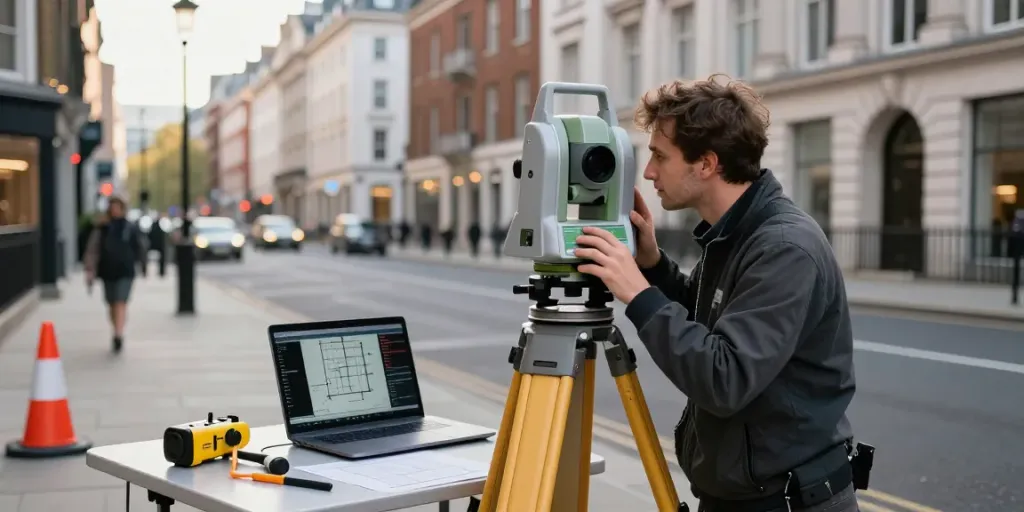
The Importance of 3D Laser Scanning for Measured Building Surveys
In the dynamic field of construction and architecture, accuracy is paramount. 3D laser scanning technology has emerged as a game-changer for measured building surveys, enabling professionals to capture the precise dimensions and features of structures in unprecedented detail. In bustling urban areas like London, where architectural intricacies and regulatory complexities abound, employing advanced surveying techniques becomes essential. By integrating 3D Laser Scanning London into your projects, you ensure that every aspect of your design is built on solid, factual data, leading to better decision-making and enhanced project outcomes.
What is 3D Laser Scanning?
3D laser scanning is a non-invasive technology that uses laser beams to measure the physical characteristics of objects and environments. A laser scanner captures millions of points on a surface, creating a detailed 3D point cloud that represents the object or space being surveyed. This method provides a highly accurate digital model of the building or terrain, which can be used for various applications, from architectural design to construction management.
Benefits of 3D Laser Scanning London in Construction Projects
The integration of 3D laser scanning in construction projects in London offers numerous advantages:
- Precision: Laser scanning can achieve accuracy levels within millimetres, allowing for precise building designs and eliminating discrepancies during construction.
- Speed: The technology reduces the time required for data collection significantly, enabling quicker turnaround times for project phases.
- Comprehensive Data: 3D scans provide extensive information about an environment, including details often missed by traditional survey methods.
- Improved Collaboration: The rich visual data from laser scans enhances communication among project stakeholders, fostering clearer discussions and decisions.
Comparing Traditional Survey Methods vs. 3D Laser Scanning
While traditional surveying methods such as total stations and tape measures have served the industry for years, they lack the efficiency and precision of 3D laser scanning. Traditional methods often rely on manual measurements, which can be prone to human error and are time-consuming. In contrast, 3D laser scanning automates the data collection process, offering not only precision but also the ability to manage complex structures more effectively. Additionally, the ability to generate 3D models from scan data allows for better visualisation and analysis.
Applications of 3D Laser Scanning in London
3D laser scanning has a wide array of applications across various sectors, particularly in urban environments like London, where heritage and modern architecture coexist. Its versatility makes it an invaluable tool for architects, engineers, and developers.
3D Laser Scanning for Historical Building Restoration
Preserving historical buildings requires meticulous attention to detail. 3D laser scanning allows preservationists to capture the intricate details of these structures without causing any damage. The gathered data can be used to create detailed restoration plans, ensuring that the building's historical integrity is maintained while necessary updates are made.
Using 3D Models for Modern Architecture and Design
In contemporary architecture, where innovative designs often challenge traditional construction methods, 3D laser scanning proves essential. Architects can use the accurate models generated from scans to experiment with design configurations, analyse how new structures will integrate with existing ones, and visualise the building process in a virtual environment. This capability greatly enhances the creative process and aids in securing necessary approvals from planning authorities.
Case Studies: Successful Projects Using 3D Laser Scanning
Several projects in London have successfully utilised 3D laser scanning technology. For example, during the renovation of a historic library, laser scanning provided detailed dimensions and conditions of the existing structure, allowing architects to plan renovations that preserved the library's character while upgrading its facilities. Similarly, in the redevelopment of an urban site, 3D models generated from scans facilitated efficient planning by identifying potential spatial conflicts with existing utilities.
Choosing the Right 3D Laser Scanning Service in London
Selecting a qualified 3D laser scanning provider in London is crucial for achieving successful project outcomes. Various factors should be considered to ensure you choose the right partner.
Key Factors to Consider When Selecting a Surveyor
- Experience: Look for surveyors with a proven track record in handling projects similar to yours.
- Technology: Ensure the firm uses the latest equipment and software, as technology advancements can significantly impact the quality and speed of the service.
- Client Reviews: Investigate customer testimonials and case studies to gauge the provider’s reliability and service quality.
Understanding the Cost of 3D Laser Scanning Services
Costs for 3D laser scanning services can vary significantly based on several factors, including the size and complexity of the project, the surveyor’s expertise, and the technology employed. Many companies offer custom quotes, so it’s advisable to obtain multiple estimates to find a service that suits your budget while ensuring quality. Remember that investing in high-quality scanning can save costs associated with rework and errors down the line.
Local Expertise: Why It Matters in Urban Areas
When choosing a 3D laser scanning service, local expertise can provide added value. Surveyors familiar with London’s unique architectural styles, regulatory requirements, and environmental challenges are better equipped to deliver relevant insights and solutions. This local knowledge can also expedite the approval process with city planning authorities.
Best Practices for Implementing 3D Laser Scanning
To maximise the benefits of 3D laser scanning, adhering to best practices during implementation is essential. Proper preparation and data management can greatly enhance the quality of the outcomes.
Preparing Your Site for a 3D Laser Scanning Project
Before initiating a 3D laser scanning project, ensure that the site is accessible and well-organised. Clearing any obstacles and ensuring proper lighting can enhance the scanning quality and speed up the process. Consult with your surveyor to define specific needs and expectations, ensuring that all relevant areas are included in the scan.
Ensuring Data Accuracy and Quality in Scanning
Accuracy is the cornerstone of effective surveying. Utilise high-quality equipment and qualified personnel to execute the scan. Following the scan, review the data to check for completeness and accuracy, allowing for corrections before the final report is generated.
Interpreting Scanned Data for Effective Design
The output from a 3D laser scan is a wealth of data that requires skilled interpretation. Collaborate closely with your design team to ensure that the data informs all relevant project decisions. Using advanced software, your team can analyse the point cloud data to extract critical measurements and features that support the architectural designs.
Future Trends in 3D Laser Scanning Technology
The 3D laser scanning industry is poised for significant advancements that will redefine surveying practices. Keeping abreast of emerging technologies will help teams stay competitive and innovative.
Emerging Technologies Impacting 3D Laser Scanning
As technology evolves, methods such as drone-assisted scanning, mobile scanning applications, and integration with augmented and virtual reality tools are enhancing the capabilities of laser scanning. These advancements will allow for more extensive data collection and innovative applications in design and construction.
The Future of Urban Planning with 3D Data
3D laser scanning holds the potential to transform urban planning initiatives. With detailed spatial data, planners can visualise developments in complex urban settings, considering how new projects interact with existing structures and infrastructure. This capability will lead to more sustainable and thoughtful urban development strategies.
How 3D Laser Scanning Will Shape the Built Environment by 2026
By 2026, the role of 3D laser scanning in the built environment is expected to expand significantly. With increased adoption across various sectors, including conservation, urban development, and construction, the accuracy and efficiency offered by this technology will be indispensable. As the industry shifts towards data-driven decision-making, the demand for 3D laser scanning will continue to grow.
What are the cost implications of 3D Laser Scanning?
While the initial cost of 3D laser scanning may be higher than traditional methods, the long-term savings through improved efficiency, accuracy, and reduced errors can be substantial. Many firms invest in this technology knowing it leads to fewer costly revisions and enhances overall project delivery.
How accurate is 3D laser scanning technology?
3D laser scanning technology can typically achieve a precision of within 1-2 mm, making it one of the most accurate surveying methods available. This level of detail is crucial for complex designs and renovations, providing a solid foundation for all subsequent work.
Can 3D laser scanning replace traditional surveying methods?
While 3D laser scanning is not meant to entirely replace traditional surveying, it is increasingly becoming the preferred method due to its advantages in speed and accuracy. Many firms opt to combine both methods, using traditional approaches for preliminary surveys and laser scanning for detailed assessments.
What industries benefit most from 3D laser scanning?
Several industries are reaping the benefits of 3D laser scanning, including construction, architecture, civil engineering, and historical preservation. Its flexibility and precision make it applicable in various contexts, from building assessments and renovations to infrastructure projects.
Are there any limitations to 3D laser scanning?
Despite its many advantages, 3D laser scanning does have limitations. The technology can be expensive to implement, and processing large amounts of data requires skilled personnel and advanced software. Additionally, factors such as environmental conditions may affect the quality of scans, especially outdoors.